
Borderline
The more I travel, the stranger the things are that begin to interest me. Once you’ve been to every country in the world, the usual scoreboard is pretty much broken. There’s nowhere left to color in on the map, no fresh little dopamine hit from saying, Country number 187. So apparently I’ve moved on to border crossings. This is where we are now.
I’ve become—maybe mildly, perhaps clinically—obsessed with ports of entry. Not because border crossings are inherently exciting. Most aren’t. They’re government buildings, fluorescent lights, concrete barriers, men and women in uniforms asking where you’ve been and whether you have any fruit. But they are wonderfully, weirdly different.
Some are roaring machines of humanity: buses, taxis, vendors, families, commuters, luggage, horns, exhaust and desperation. Others are so quiet you wonder whether anyone remembered to turn the lights on that morning. Some borders are giant steel walls. Others are a painted line on pavement. Some are bridges. Some are rivers. Some are nothing more than a small sign beside a country road.

The NEXUS Flex
After four years of regularly crossing at San Ysidro/Tijuana—the busiest land border crossing in the Western Hemisphere—I’d forgotten just how strange the quiet ones can be. San Ysidro is a living organism. Loud. Sweaty. Chaotic. Commercial. Thousands upon thousands of people moving through it every day. International Falls, Minnesota? Not so much.
And that contrast is what gave me the idea. I need something new to count, so welcome to Border Bustin’, my completely unnecessary chronicle of American ports of entry. First up: International Falls, Minnesota / Fort Frances, Ontario.
So how the hell did I end up here? NEXUS.
I decided I wanted a NEXUS card. NEXUS is one of the U.S. government’s Trusted Traveler Programs, but unlike SENTRI, it’s a binational affair, jointly run by U.S. Customs and Border Protection and the Canada Border Services Agency. I’ve been in SENTRI for more than 20 years, and for someone who regularly crosses from Tijuana into San Diego, SENTRI isn’t a luxury. It’s practically a survival tool. A border crossing that can swallow hours of your life can, on a good day, be reduced to minutes.
There are few things more beautiful than sitting in a SENTRI lane, moving briskly toward America, while five lanes to your right resemble the evacuation of Saigon. NEXUS is sort of SENTRI’s colder, maple-flavored cousin. It provides expedited processing between the United States and Canada by land, air and boat, and because both American and Canadian authorities participate, it can make crossings faster in both directions.
Did I need one? Absolutely not. I live between San Diego and Tijuana. Canada is not exactly part of my morning commute. Did I want one? You betcha.
I collect passports. Identification cards. Residency cards. Border documents. Things normal people throw into a drawer and forget about. I have a Mexican passport, a Mexican INE voter card, a Panama permanent resident card, SENTRI. Apparently I am slowly assembling the world’s most boring baseball-card collection.

The Interview
A couple of my credit cards would reimburse the NEXUS application fee anyway, and I’ve been wanting to see more of Canada. So I applied. A few weeks later: conditionally approved.
Now came the interview. For the joint land-border interview option I chose, I needed to go to a NEXUS enrollment center where officers from both countries could interview me. Which meant heading north. Way north.
Fortunately, I already had a Wisconsin/Minnesota trip planned to visit the parentals. The timing was perfect. I managed to get a 9:10 Monday morning appointment in International Falls. Suddenly a family visit had acquired a side quest, and I love a good side quest.
Originally, I planned to drive north the morning of the interview. Then I did the math: four and a half hours, appointment at 9:10, departure sometime around 3:15 a.m. This is the kind of travel plan that sounds reasonable when you make it days earlier and completely psychotic when the alarm clock actually enters the equation.
So I called an audible. I sacrificed my last night with the folks and left after breakfast the day before. Now I had the whole day: daylight, no rush, no hallucinating deer at 4:30 in the morning. It turned out to be the right move.
I don’t particularly love long drives, but northern Wisconsin and Minnesota had decided to put on a show. The leaves were turning. Green gave way to yellow, yellow to gold, orange and red. And somehow I—the guy who has spent years chasing passports through dictatorships, deserts and questionable airports—was suddenly delighted by trees.
Trees.
I was driving along thinking, Jesus Christ, would you look at that one. This is how it starts. Next thing you know I’m sitting on a park bench with breadcrumbs in my pocket, telling a squirrel named Clarence about my prostate. But if this is aging, fine. The trees were magnificent.
Bathroom Break
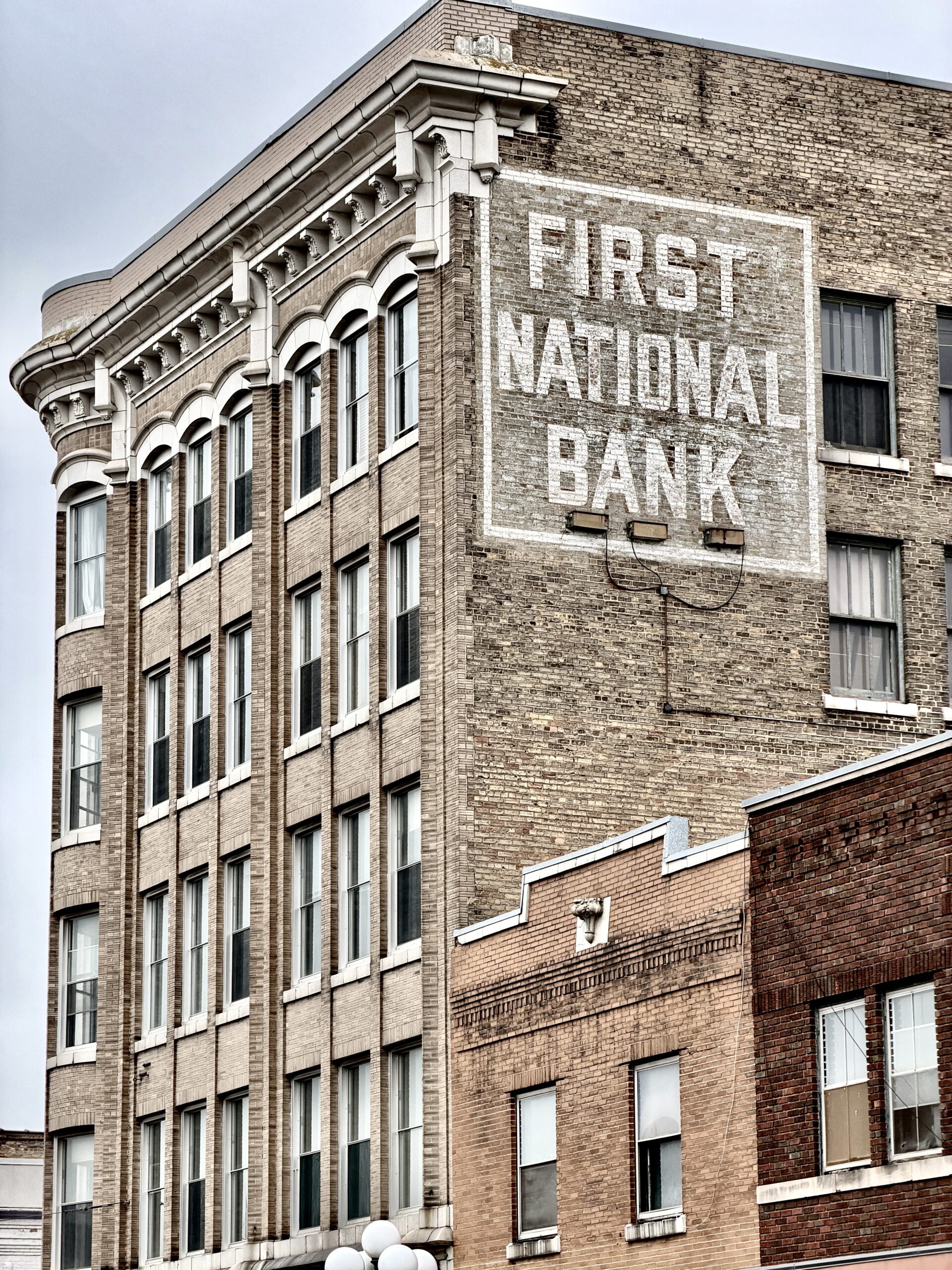
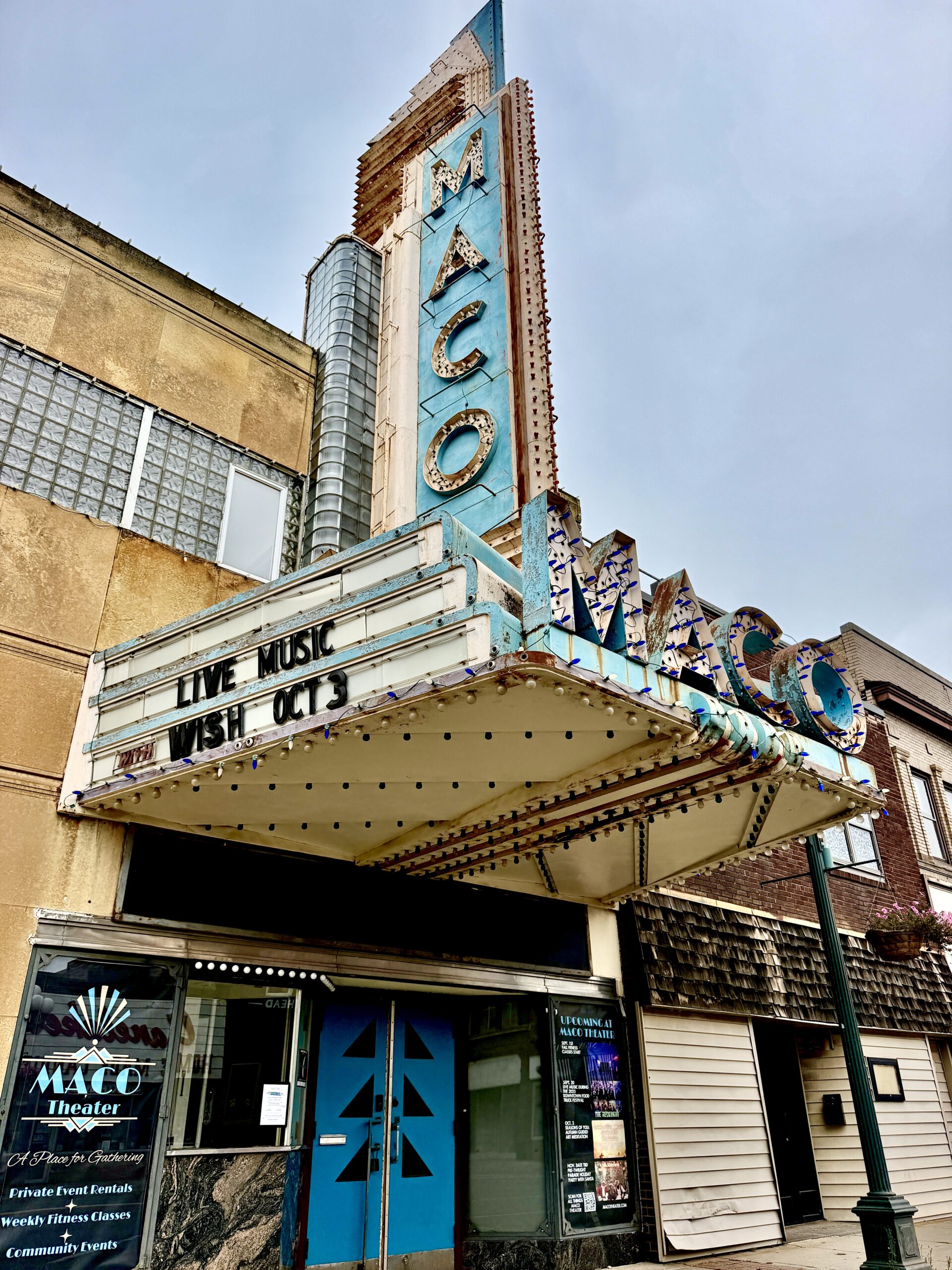
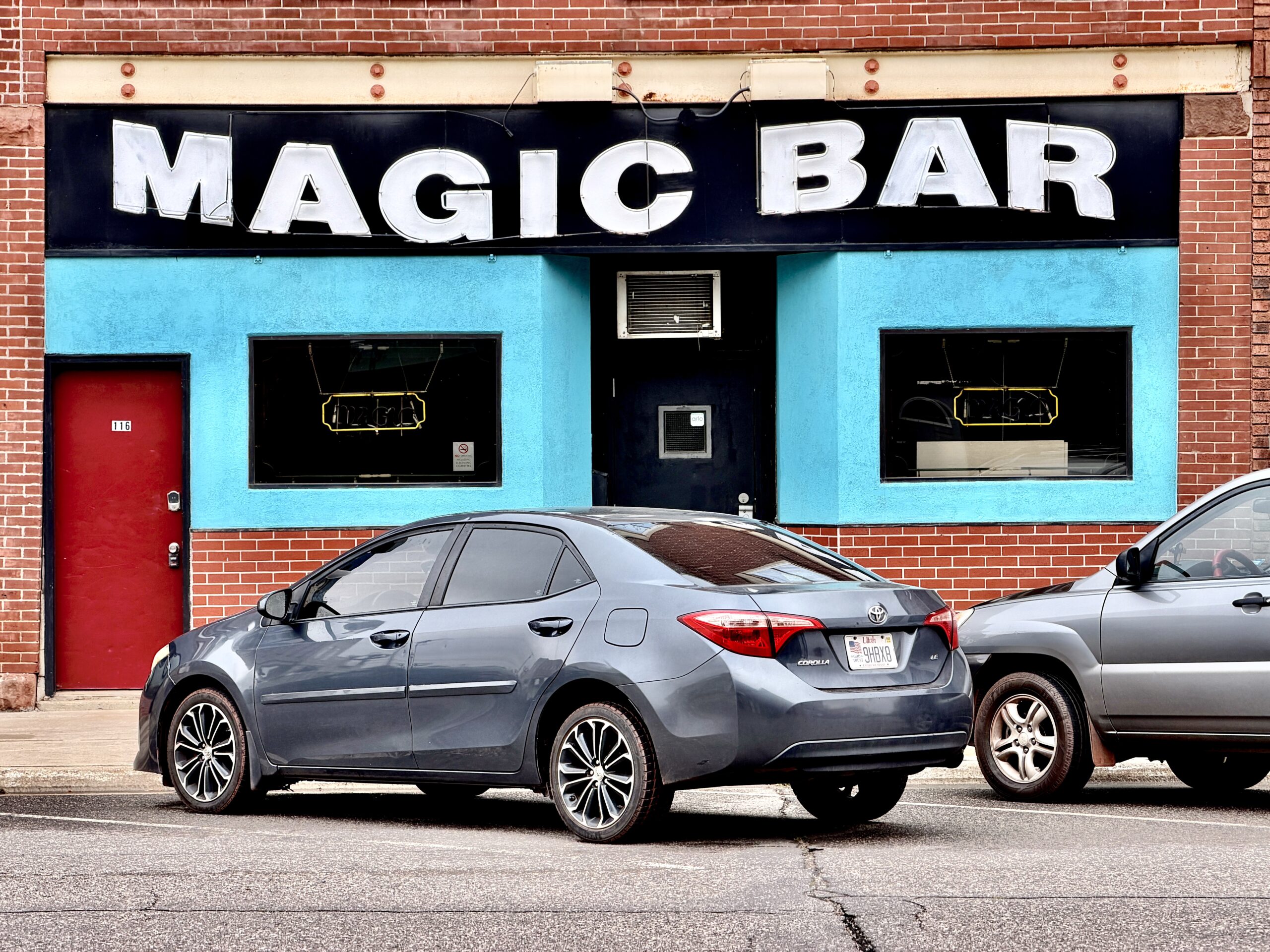
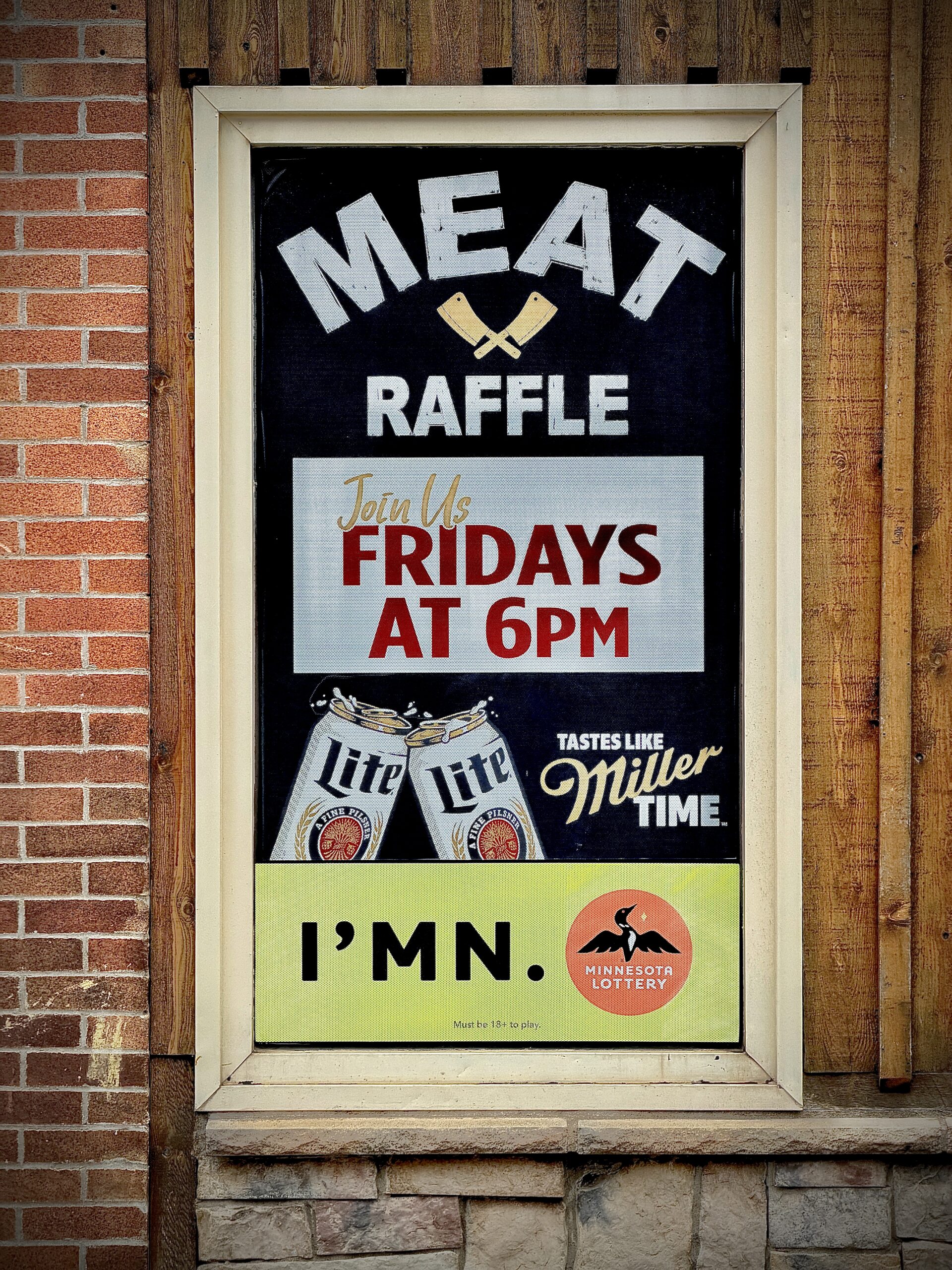
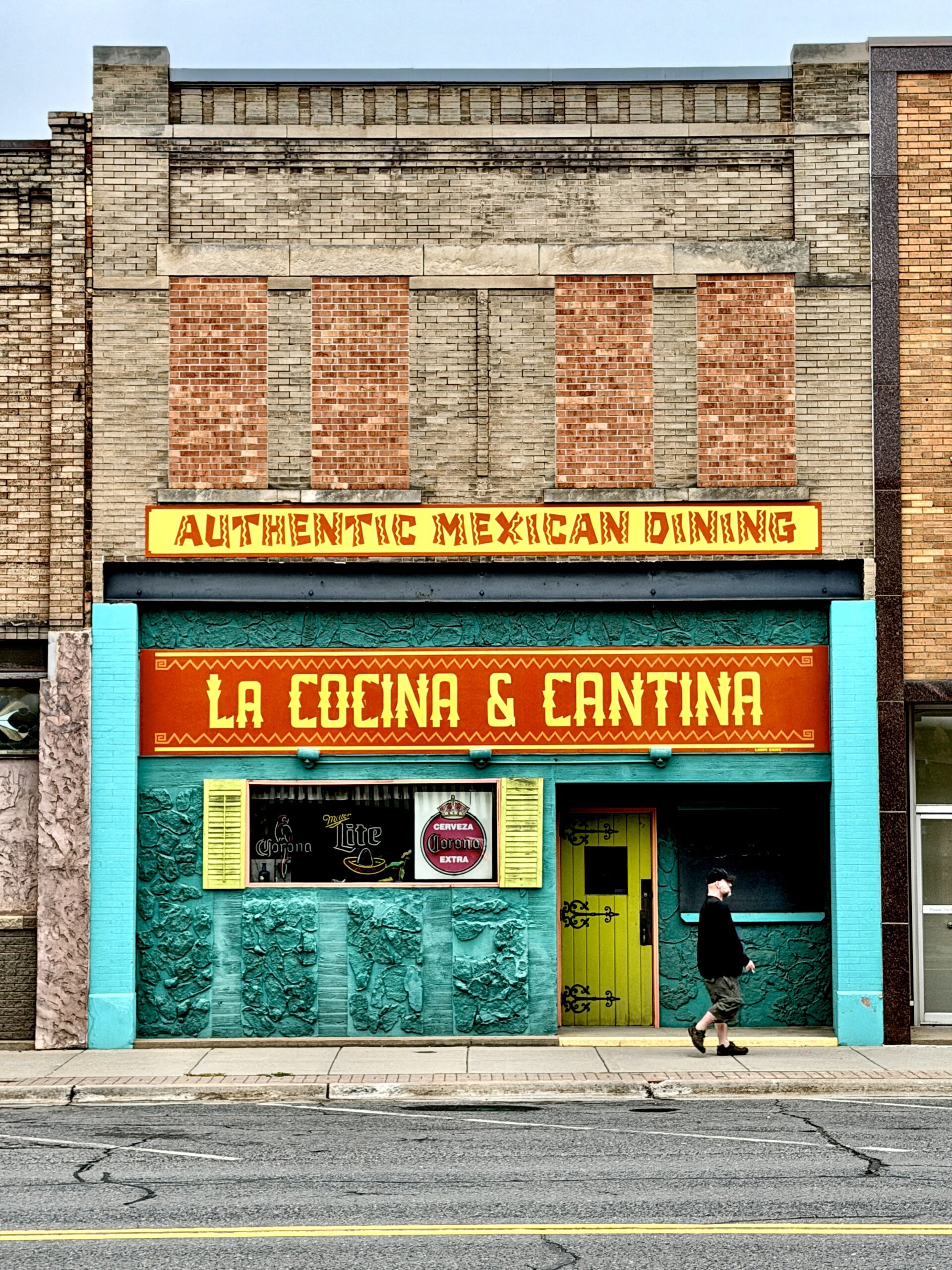
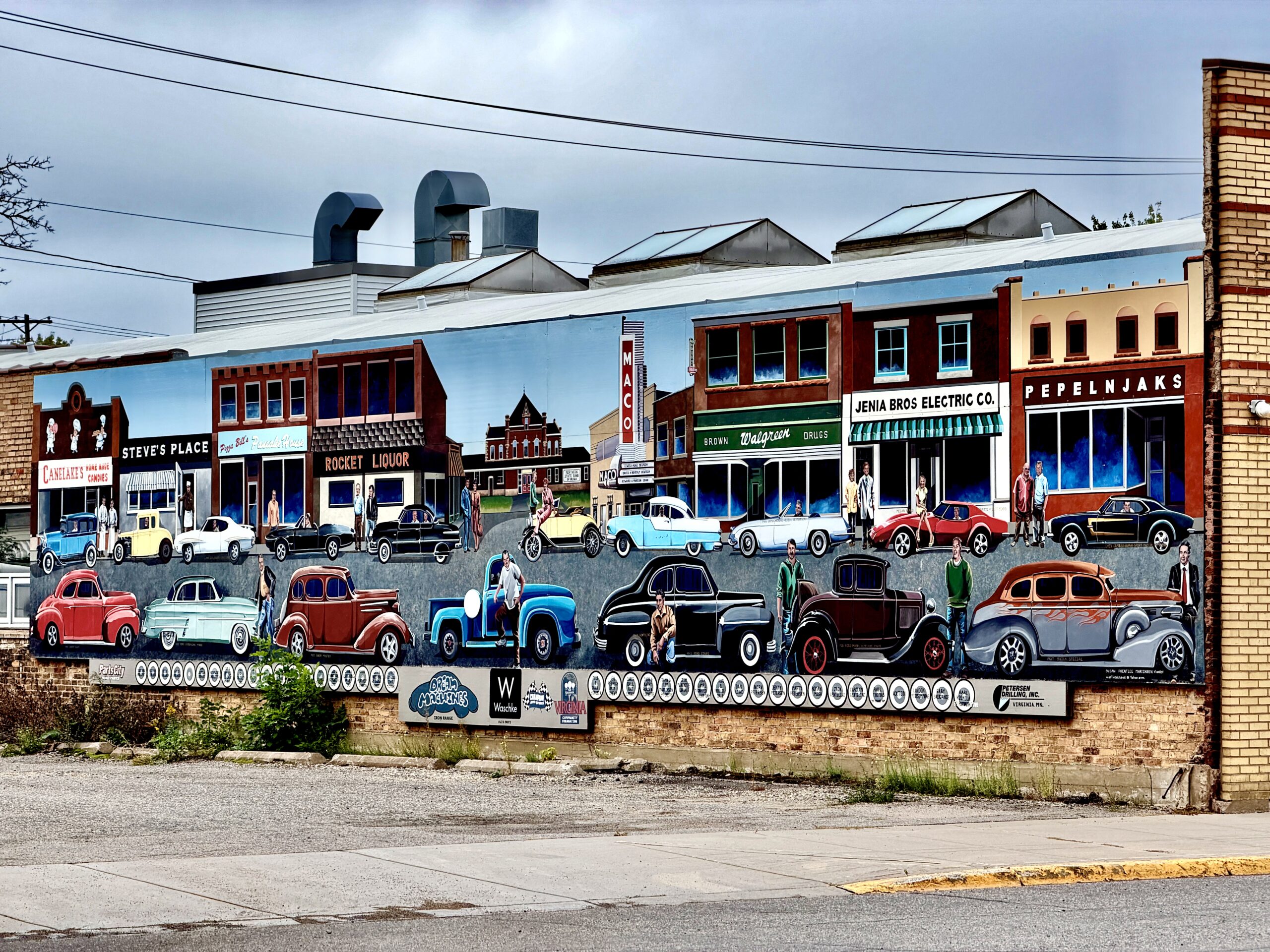
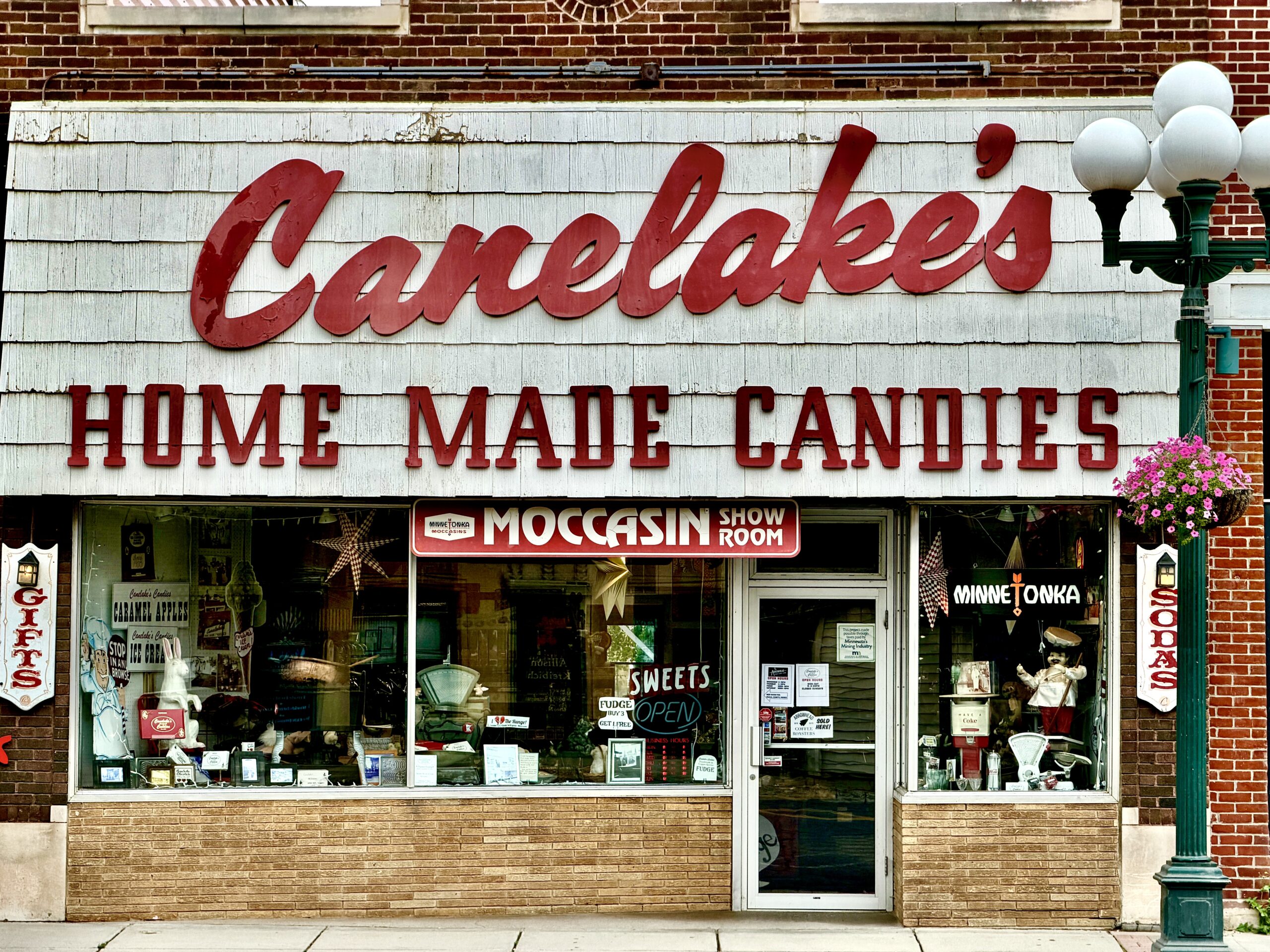
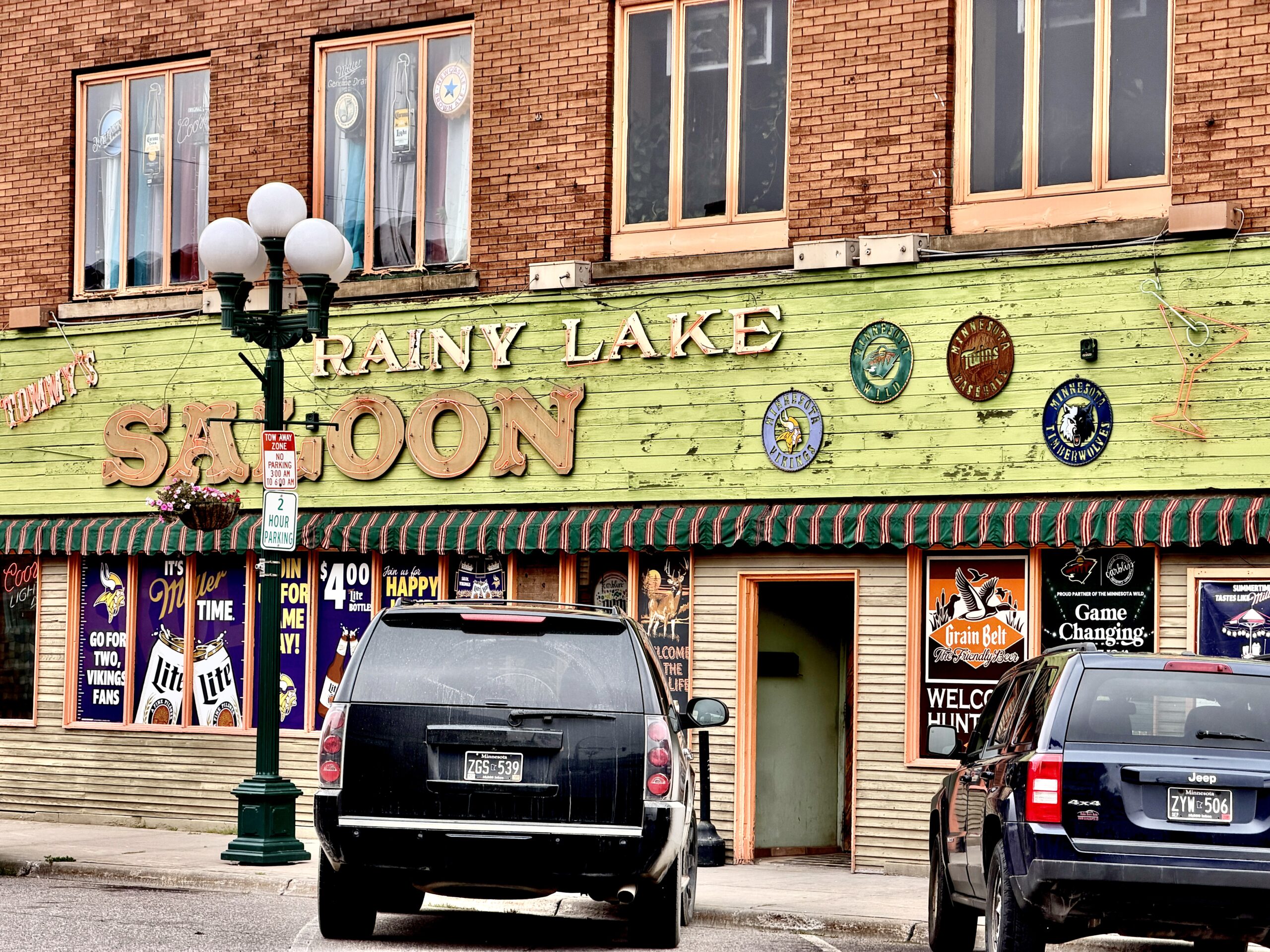
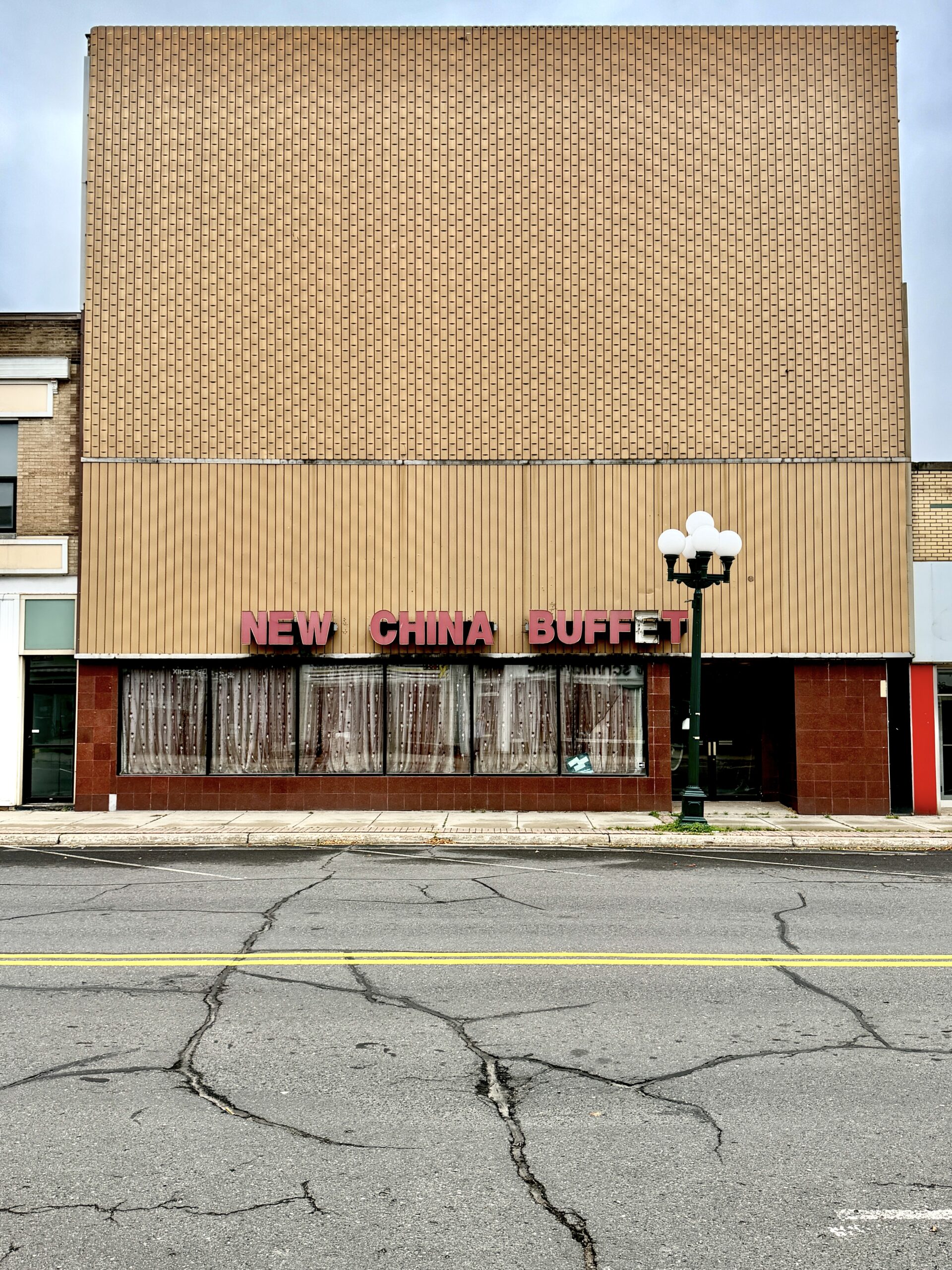
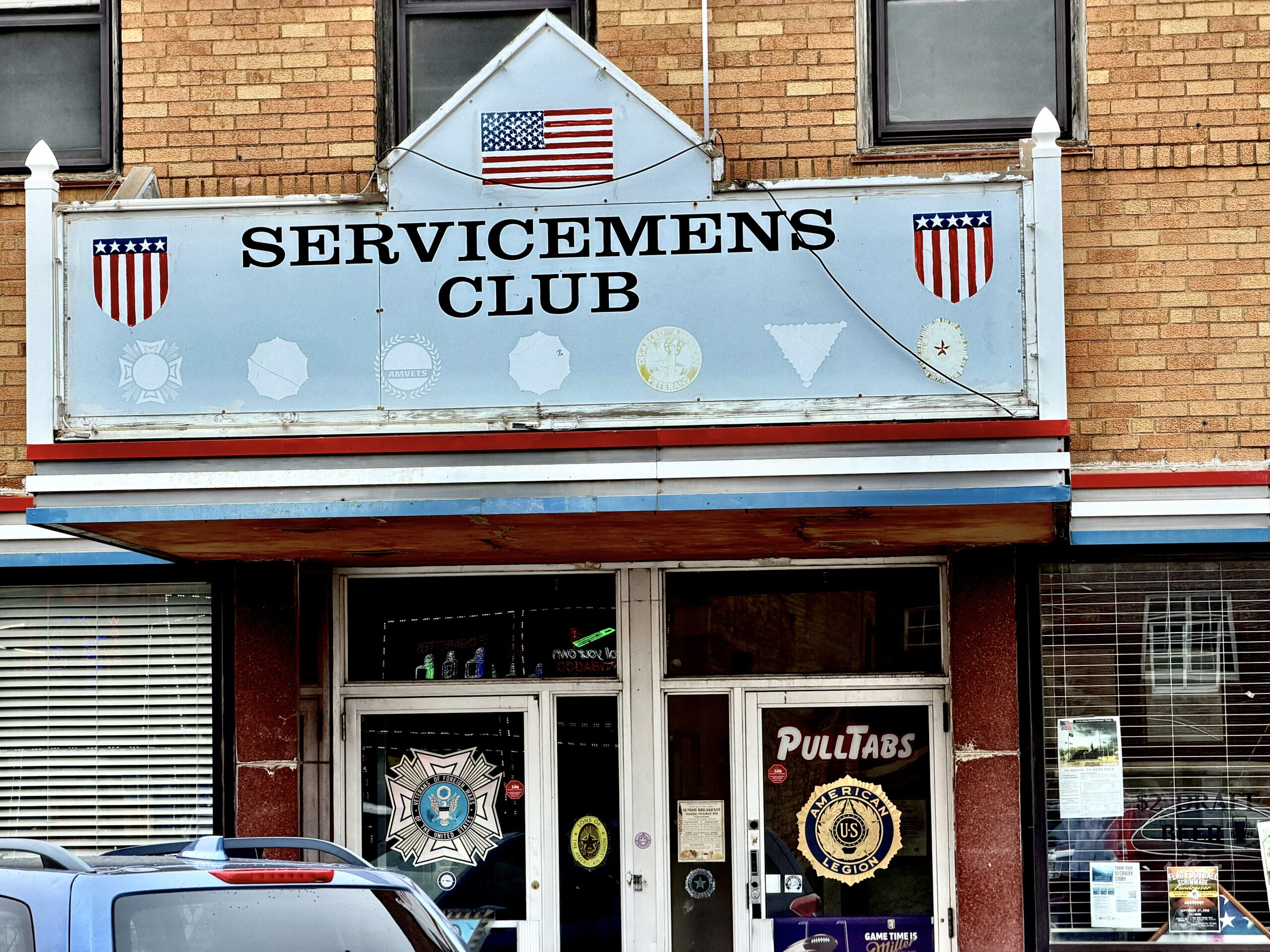
My one real stop was Virginia, Minnesota. Sunday afternoon. Main Street (actually named Chestnut Street) was practically empty, most of the businesses shuttered and the sidewalks belonging to me. And I loved it.
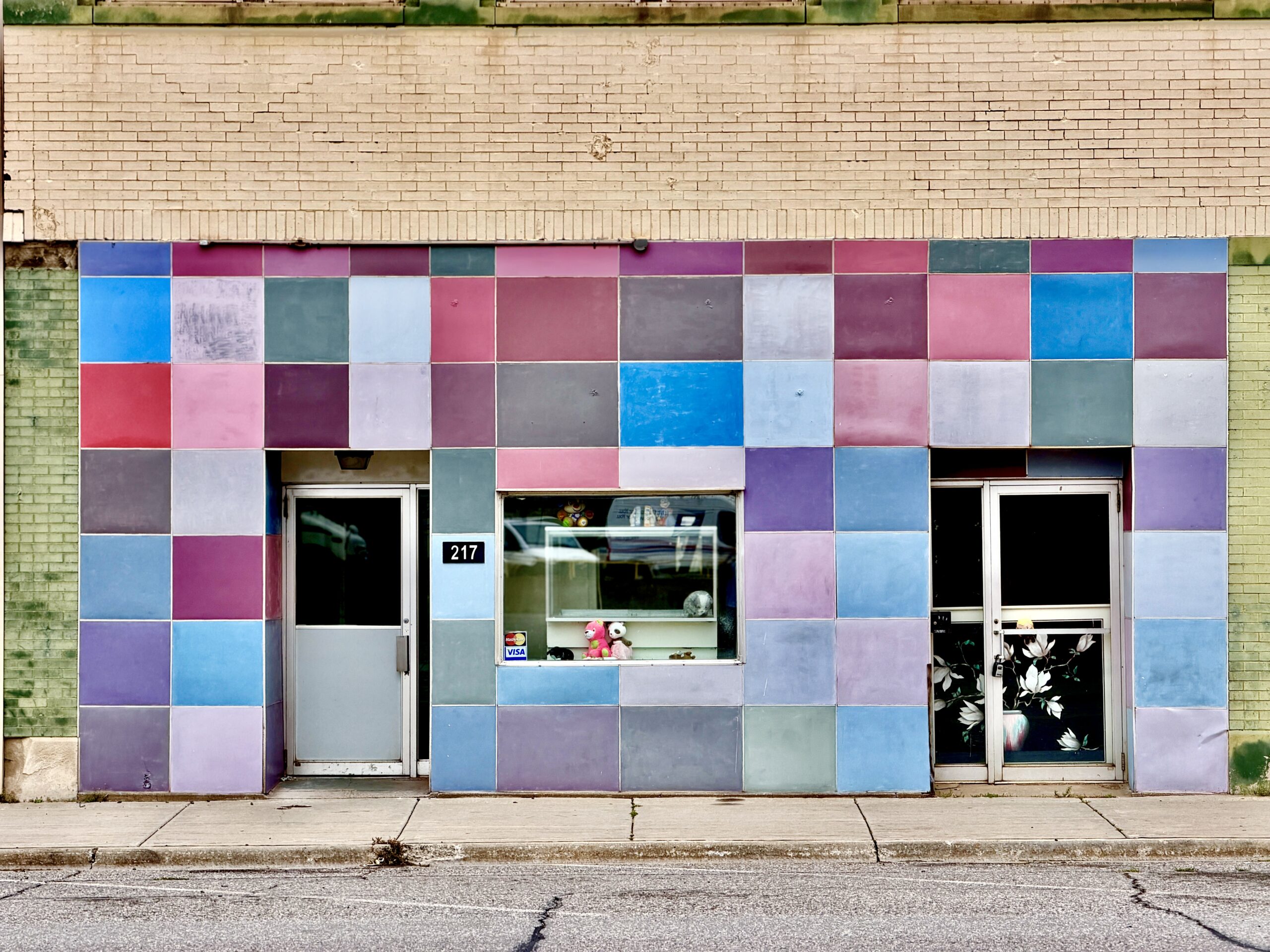
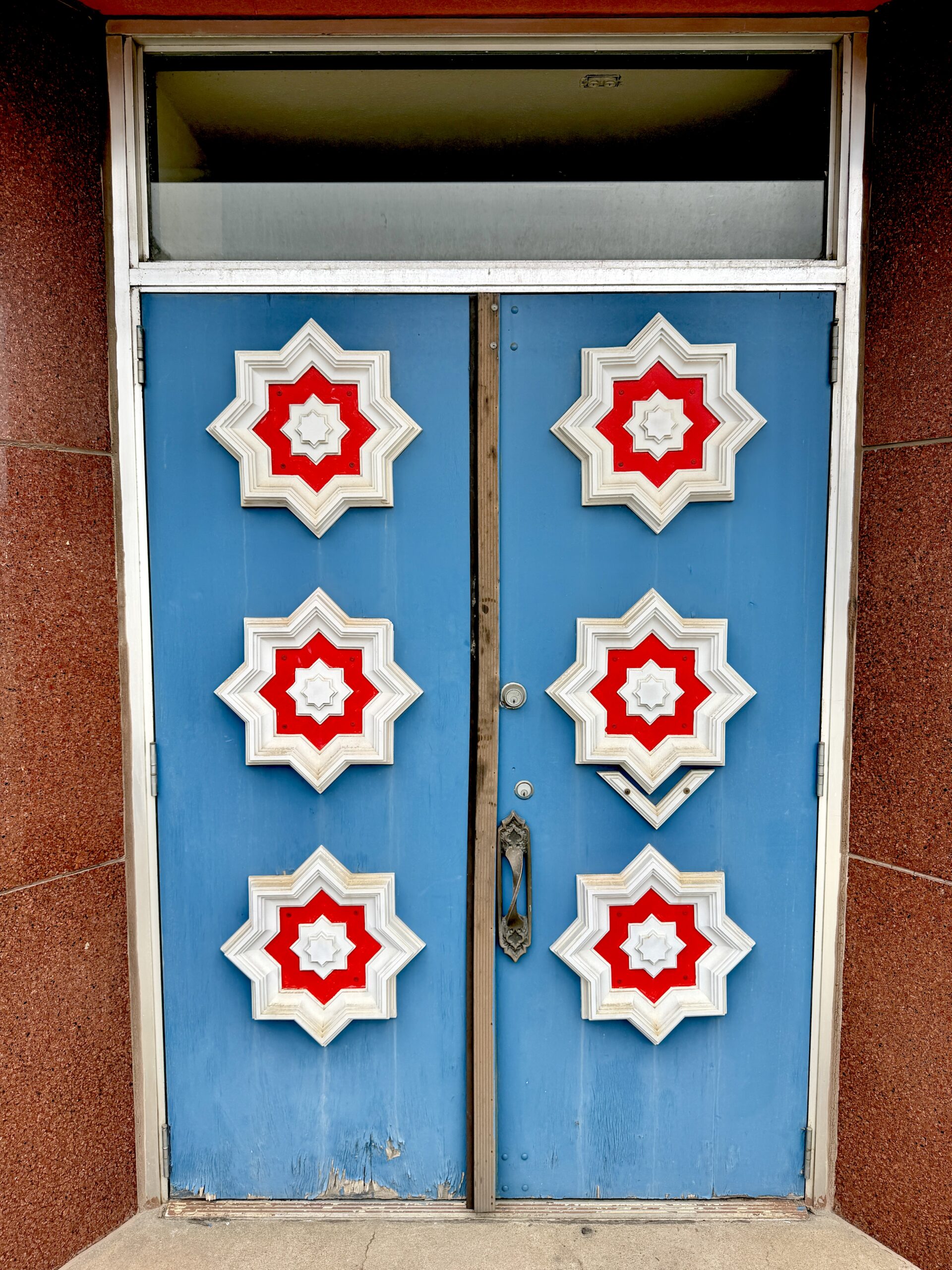
Virginia has the bones of a downtown that clearly mattered more once. Old storefronts. Brick buildings. Faded signs. Architecture from another economic universe. You could imagine the street in the 1960s or ’70s—busy shops, workers, families, restaurants, somebody selling suits, somebody repairing shoes, everybody knowing everybody. Now? Quiet. A little worn around the edges. Some obvious neglect. Exactly the kind of place I’m drawn to.
I’ve always liked cities and neighborhoods that haven’t completely died but have definitely been informed of the diagnosis. There’s still a pulse. Weak maybe, but there. It reminded me, in a bizarre way, of Maputo, Mozambique—a city where parts of the old Portuguese-built downtown feel like somebody hit pause decades ago and misplaced the remote.

Virginia wasn’t dead. It was Sunday. Small-town Sunday. In places like this, unlike San Diego, people occasionally seem to obey the idea that perhaps not every waking moment of human life must involve buying something.
As I got back into my car, I heard Spanish drifting faintly from a second-floor apartment. A family talking. And immediately my brain went: How the hell did they end up here? Virginia, Minnesota. That’s probably a good story. Maybe a better story than anything I was doing. But it wasn’t mine to ask, so I drove north.
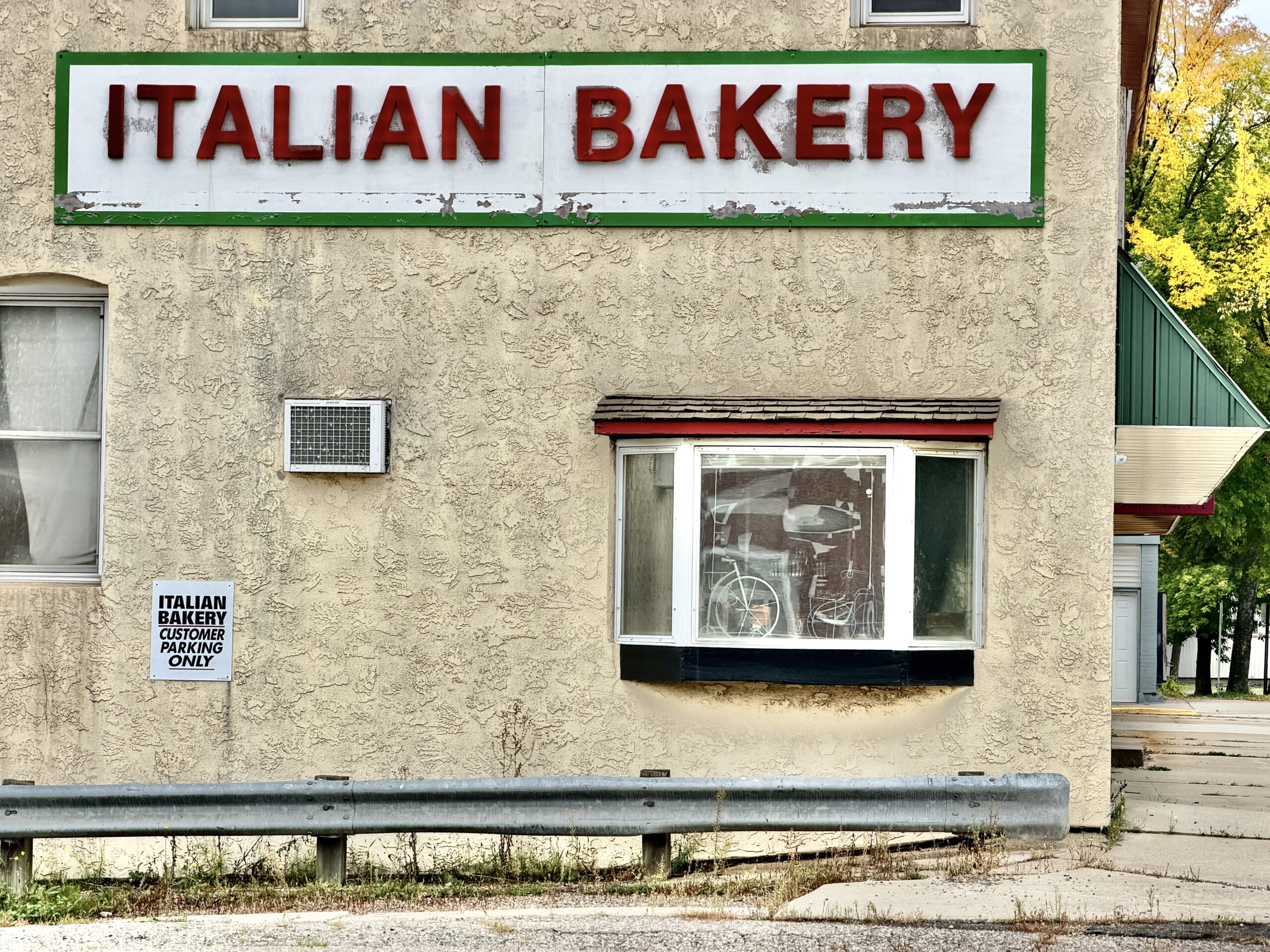
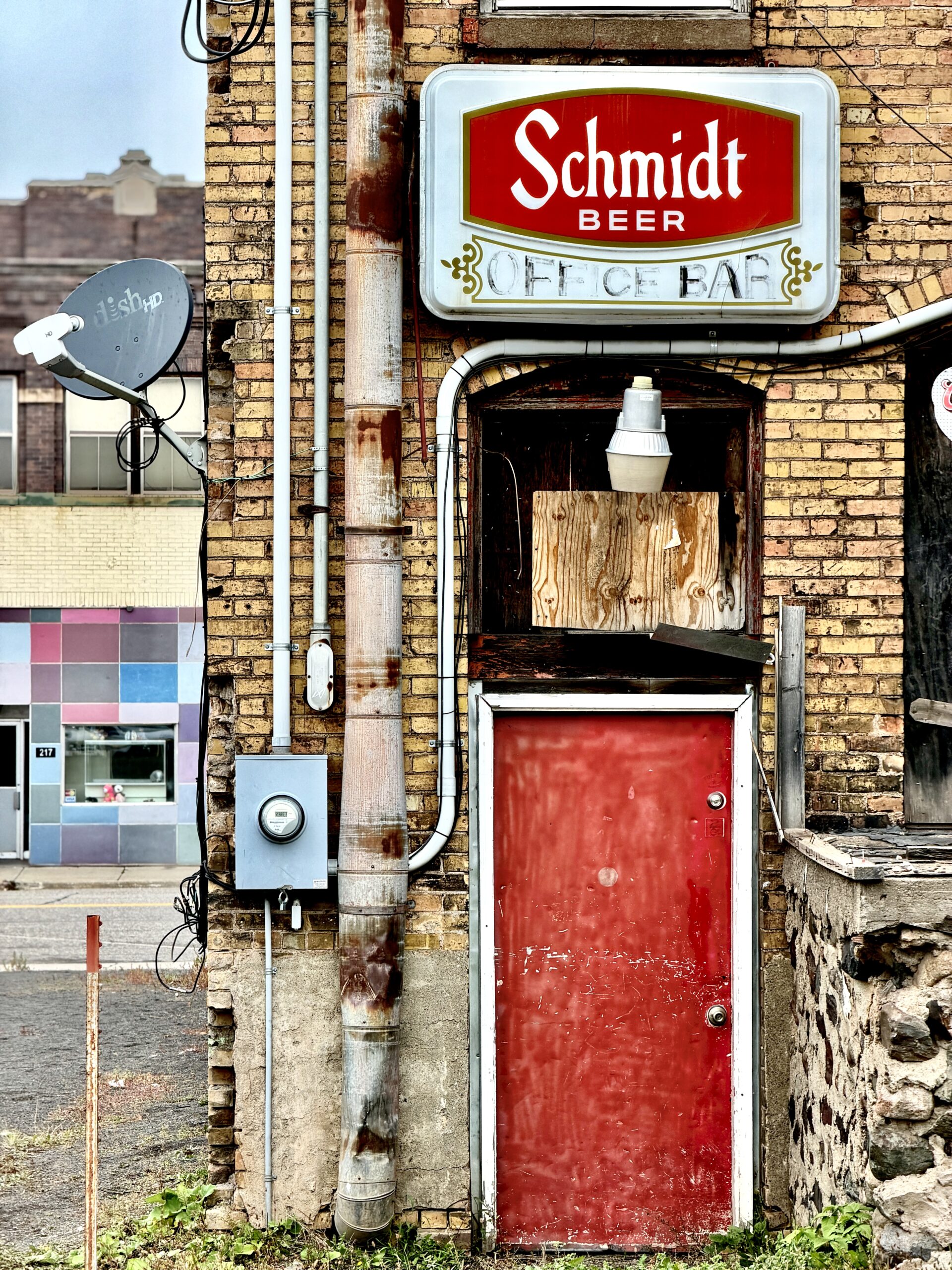
Here are a few of my favorite storefronts on Chestnut in Virginia, Minnesota…
Are we There Yet?
Miles before Canada, T-Mobile welcomed me to Canada. Premature, but enthusiastic.
I was getting excited. Not because I expected fireworks on the other side. It was Canada. I wasn’t expecting to cross the frontier and immediately encounter moose-mounted cavalry. I was excited simply because this was a border crossing I’d never seen.
What would it look like? Would there be traffic? Would there be vendors? Would the agents be chatty? Would everyone be miserable? Would it feel like San Ysidro in miniature? These are apparently the questions that occupy my mind now.
International Falls appeared, and what little I saw on the way in was dead quiet. Again: Sunday. Small town. Fair enough. I stopped for the obligatory photo by the Welcome to Minnesota sign facing traffic arriving from Canada, then continued toward the border.

The Wall?
And I started thinking about the barrier. What separates America and Canada here? A giant iron fence? Chain link? Concrete bollards? Some little agricultural fence where you could theoretically step over and become an international fugitive?
Then I approached the bridge.
Oh.
Right.
There’s a river.
Dummy.
The Rainy River is the border. No wall. No razor wire. No medieval ramparts. Just water.
I paid the $10 bridge toll and looked around like a man visiting Disneyland for government infrastructure. There wasn’t a car behind me. There wasn’t a car ahead of me. The scenery was industrial: railroad tracks, trucks, paper-mill country, steel, concrete and water.
Then the bridge. Short. Functional. No drama. A few moments later I was pulling up to Canadian immigration.
I handed over my passport card. The officer was pleasant. Why was I coming to Canada? NEXUS interview tomorrow. Wanted to see Fort Frances. Any produce? Drugs? Firearms? Nope.
Welcome to Canada.
Boom. Canada.
No mariachi band. No taco cart. No one trying to sell me a ceramic turtle. Just…Canada.
Fort Frances was equally sleepy. The first undeniable evidence I had entered a foreign country was a sign reading Senior Centre. Centre. There it was. The Commonwealth.


You-Turn
I drove along the Rainy River to the motel, checked in, plugged in my dying phone and rested for a bit. But I hadn’t driven all this way to sit in a motel. I wanted to explore.
And, weirdly, the thing I most wanted to explore wasn’t Fort Frances. It was the border. Again. God help me.
This time I wanted to cross on foot, so I drove back downtown, parked and walked toward the bridge. I had already triple-checked that pedestrians were permitted because showing up on the evening news under the headline AMERICAN BORDER NERD ARRESTED ON BRIDGE seemed like a poor way to jeopardize the NEXUS interview I had traveled 1,800 miles to attend.
Across I went. On foot. Nobody else. No stream of commuters. No families dragging luggage. No guys selling churros. No children selling gum. No charity collectors. No souvenir vendors. No trumpet players. No clown juggling swords.
Anyone who has walked north from Tijuana through San Ysidro knows what that crossing feels like. It’s practically a bazaar. Food vendors. Ice cream. Tacos. Candy. Soda. Hats. Blankets. Religious trinkets. Pharmacy advertisements. Street performers. Musicians. Beggars. Entrepreneurs. Commerce erupts around the border because waiting humans eventually become hungry, bored humans.

This border? Quiet as a morgue.
I reached the American side and momentarily wasn’t sure where a pedestrian was supposed to go. A CBP officer noticed the confused idiot wandering around and pointed me toward the building. Inside, standard questions, standard answers, and boom—back in America.
I walked around downtown International Falls for a while. The undisputed celebrity attraction was an enormous Smokey Bear statue. A truly majestic monument to forest-fire prevention. There are trips where you see the Taj Mahal. There are trips where you see Angkor Wat. Today? A three-story Smokey Bear. Travel provides.


Then I walked back to Canada.
Halfway across the bridge, I found what I had somehow missed the first time: the actual international-boundary marker. A little plaque. Faded. Unassuming. You could walk right past it.
One foot: United States. Another few steps: Canada.
I loved it. These imaginary lines we spend billions defending are sometimes exactly that—a little plaque bolted to a bridge.


You Again?
Back at Canadian immigration, a male officer handled my second entry. Then the female officer who had admitted me earlier by car recognized me and came over.
“So you’re back?”
Yeah.
This required explanation.
The explanation led to where I was from. That led to travel. Travel eventually led—as it tragically tends to do—to Slowjamastan. I handed them a business card and encouraged both officers to become citizens, because apparently recruiting Canadian border officials into your self-declared micronation is what one does while awaiting approval for a Trusted Traveler Program.
If you don’t know what Slowjamastan is, Google it. This entire paragraph will make marginally more sense.
Both officers were friendly. Genuinely friendly. But I still chose my words carefully. Canadian border officers have a reputation for being polite right up until the moment you give them a reason not to be. A colleague of mine once got himself turned around at Toronto airport after making a joke during inspection.
Border crossings are not comedy clubs. You can be pleasant. You can be human. But when a person with the legal authority to deny you entry asks you a question, perhaps save the tight five for later.
Dinner presented two possibilities: Le Hoa, a family-run Chinese restaurant downtown, or La Place Rendez-Vous, the nicer hotel restaurant on the Rainy River. A sensible human being chooses one. I chose both.
Chinese for dinner. Rendez-Vous for dessert.
Le Hoa was not about ambience. This was not Nobu. Nobody had flown in a lighting consultant from Copenhagen. But the Canadian-Chinese Combo #2 did the job. Hot. Filling. Comfort food. The staff were friendly, with smiles filling in wherever language didn’t.


Soul Train
Then I drove the car back to the hotel and started walking toward dessert. Sunset over the river. Cool air. Quiet streets.
And then the railroad tracks.
Those tracks cross the river directly into the United States. I stared at them. The forbidden shortcut. A bridge. A couple hundred feet. America on the other side.
Of course you can’t just walk across it. Crossing an international border between ports of entry without inspection is, unsurprisingly, frowned upon. But the geography of the thing fascinated me. It looked so easy.


Won’t You be my Neighbor?
And that led me to notice the houses. Homes on both sides of the Rainy River. Many had docks. Many had little boats. Your neighbor across the water might be a few hundred feet away, but he’s in another country.
So what happens if you boat over for a beer?
This is the sort of practical border question nobody thinks about until you’re standing there looking at someone’s pontoon boat. You can navigate the river without necessarily reporting every time you drift into the other country’s waters, depending on what you actually do. But once you land, dock, embark or disembark people, or otherwise formally enter the other country, border-reporting rules can kick in.
NEXUS can make marine crossings easier, but it does not transform the border into a free-for-all. There are designated reporting procedures on both sides. Even the little boats have immigration rules.
I find this fascinating.
I realize most normal people do not.
This is why you’re reading Border Bustin’.


Border Bites
La Place Rendez-Vous sits right on the Rainy River. Nice view. Warm inside. I ordered seasonal mint cheesecake and a fruity drink, a decision made approximately one hour after consuming an entire Chinese combo plate.
At this point, I wasn’t a traveler. I was livestock.
The 0.6-mile walk back to the motel represented my entire fitness program for the evening. Calories burned: perhaps eleven. Worth it.
Next morning I was up early and back across the bridge by 7:15. Breakfast in International Falls at The Library Bistro. Books everywhere. Take one. Leave one. A genuinely nice little place, the kind of restaurant where nobody appears to be designing the food specifically for Instagram.

Airport Run
I ate a proper breakfast—the sort that silently announces lunch has been canceled—and headed to Falls International Airport, because apparently border crossings weren’t enough geography pornography for one morning. Now we needed a tiny regional airport.
Falls International is small. Very small. But surprisingly modern. Its scheduled airline service is simple: Delta-branded flights operated with regional partner SkyWest connecting International Falls with Minneapolis-St. Paul. Basically, MSP is the umbilical cord connecting this little airport to the rest of civilization.

Which is why what I saw parked outside made no sense.
A Sun Country Boeing 737.
A full-size jet.
Here.
International Falls.
Why?

This is where things got wonderfully weird. The flight isn’t normal scheduled service that you simply buy on Sun Country’s website. It’s part of a charter package arranged through Don Laughlin’s Riverside Resort. Destination: Laughlin, Nevada. Technically the plane flies into Laughlin/Bullhead International Airport across the river in Bullhead City, Arizona.
So let me make sure I’ve got this right: from tiny International Falls, Minnesota, you can board a Sun Country 737, fly directly to Bullhead City, Arizona, get transferred across the Colorado River and spend a few days gambling in Laughlin, Nevada.
Of course you can.
America remains magnificent.
Why here? Why International Falls? Why not just Minneapolis? Apparently there’s enough demand for periodic casino packages from places like this to justify bringing in the big airplane.
This is exactly the sort of random transportation trivia that sets my brain on fire. Normal person: “Look, an airplane.” Me: “WHO CHARTERED IT? WHERE IS IT GOING? HOW OFTEN? WHO ARE THESE PEOPLE? WHY BULLHEAD CITY?”
There is no cure.
Down the hall was the NEXUS enrollment center. My appointment was at 9:10. At 8:45? Dark. Locked. Nobody.
Uh-oh.

Welcome to the Main Event…
I began imagining that the one guy assigned to International Falls NEXUS duty had called in sick and I’d driven to the Canadian border for absolutely nothing. One other applicant stood outside, passport in hand.
At 8:50, two officers appeared. Lights on. Doors unlocked. Civilization resumed.
They called the other guy first. He was wearing workout clothes and rubber slide sandals. I had gone the other direction: blue pants, long-sleeve button-up.
Maybe I’m old-fashioned. Maybe I’m ridiculous. But whenever I’m being interviewed by people whose job is to determine whether I qualify for something, I prefer to look like I at least knew there would be an interview. It probably makes absolutely no difference, but neither does wearing a tie to court until you’re the guy who didn’t.
Soon it was my turn.
I entered a giant, almost completely empty room. Two officers. Me. That was it. It felt like the government had rented an entire office specifically to interrogate Randy Williams at 9:10 on a Monday morning.
This is where NEXUS gets interesting. For a joint interview at a U.S. land enrollment center, you meet with both sides: an American CBP officer and a Canadian CBSA officer. Both countries have to be satisfied you’re a suitable low-risk traveler.
The American officer was male. The Canadian officer female. They asked for my passport and I handed over two valid U.S. passport books.
Pause.
“Is one expired?”
Nope. Both valid.
“Why do you have two?”
Well.
Here we go.
For heavy international travelers, the State Department can, under qualifying circumstances, issue a second concurrently valid passport—useful when one passport is sitting inside an embassy somewhere getting a visa while you need to travel elsewhere. For example: Passport number one is trapped inside the Embassy of Chad in Washington. Meanwhile, Randy has decided he needs to go somewhere else.
This is a perfectly normal sentence in my life.
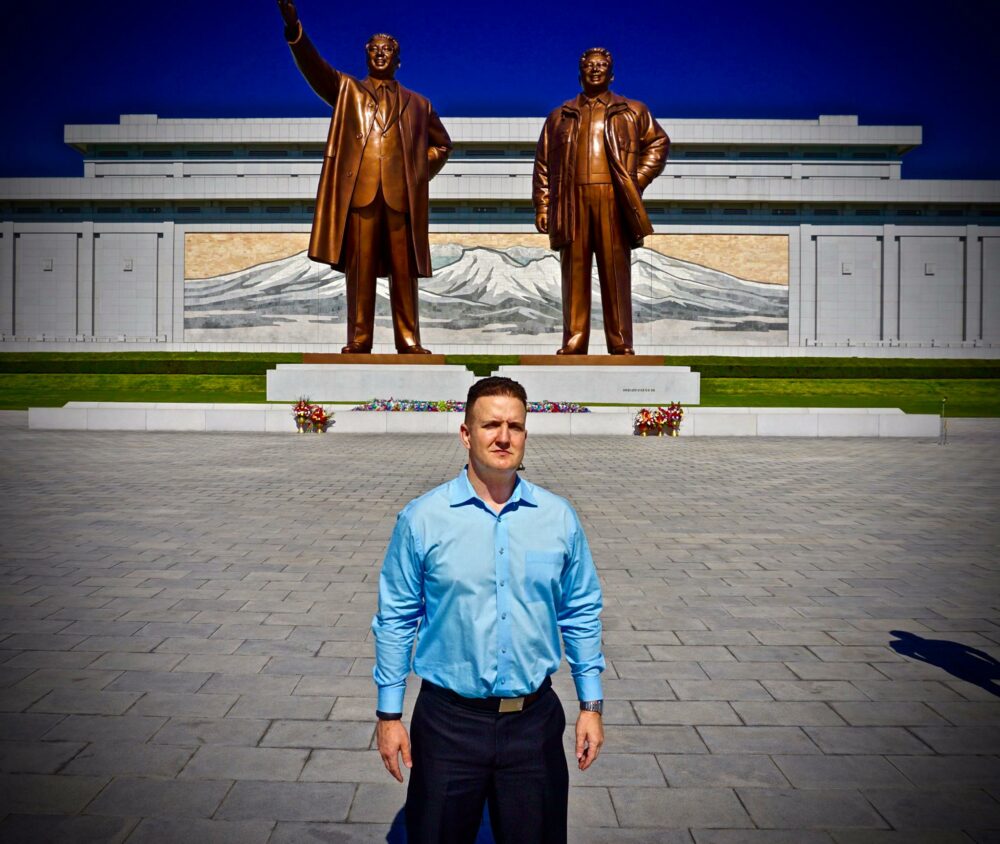
That question opened the floodgates. Travel. Countries. Why did I travel so much? Was it for work? I wish. How did I pay for it? Was North Korea scary?
>>> RELATED: Three Nights in North Korea
Peas and Cues
And this is dangerous territory. Not legally. Conversationally. Because asking me about travel is the equivalent of asking your grandfather how the war was. You may want to pack provisions.
I started yapping. And yapping. Twenty-five minutes disappeared.
Eventually: “What do you do for work?”
Radio.
Okay.
“And you own businesses?”
Yes.
“What businesses?”
Radio syndication. Property management and investment.
And…
And…
Shit.
There was no escaping it.
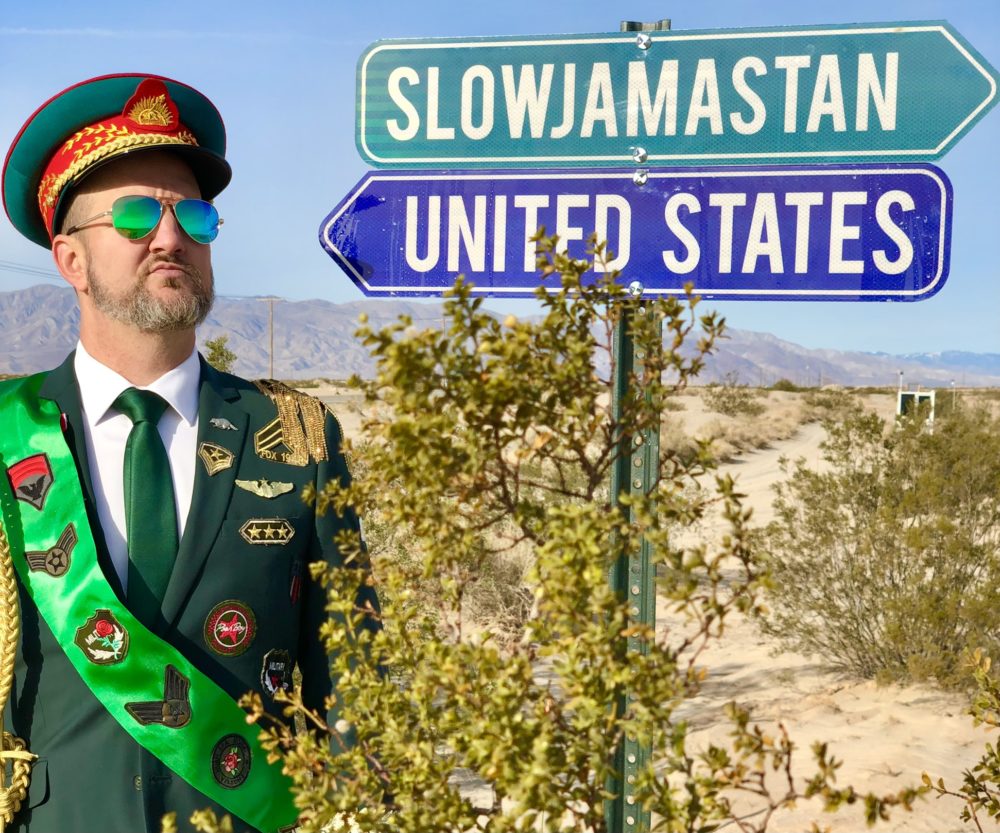
I now had to explain to two federal border officers that I operate something called The Republic of Slowjamastan, where I am styled as a Sultan and where Crocs are illegal.
Behind the Curtain
This is not where you want ambiguity, so I gave them the normal-human explanation: it’s a giant art project disguised as a country. Satire. Tourism. Entertainment. A micronation. There is land. There are passports. There are laws. There is a Sultan.
The Sultan is, unfortunately, me.
More questions. More laughs. Another ten minutes disappeared.
I resisted the urge to go full Sultan. No decrees. No threats of diplomatic sanctions. No discussion of the Croc cartel unless specifically relevant.
Because while the conversation was friendly, this was still a NEXUS interview. NEXUS applicants are vetted by both governments. Approval is discretionary, and false or incomplete information can get an application denied.
So when the conversation wandered through North Korea, Libya, Syria and the fact that I had proclaimed myself dictator of a fake country in the California desert, I did occasionally wonder whether I had managed to construct the world’s least reassuring Trusted Traveler interview.

>>> RELATED: Fun and Adventure Await in Benghazi
All I could do was tell the truth. Clearly. Completely. And maybe add a little Ramblin’ Randy Razzle-Dazzle.
Eventually came the Glamour Shots: photo, fingerprints, paperwork. I handed them a Slowjamastan brochure. Naturally.
And that was it.
I genuinely enjoyed talking with both officers, and I like to think that maybe, for 25 minutes on an otherwise very quiet Monday morning in International Falls, I gave them something slightly different from:
“Why do you want NEXUS?”
“Business travel.”
“Thank you.”
“Next.”
By 9:32, I was back outside. Interview finished. Border properly busted.
Next stop: Duluth Airport for my 3:10 flight.
And somewhere along the way I may—or may not—have stopped back in Virginia for fudge.
Some border mysteries are better left unsolved.
This entry was posted in Blog
This was a fantastic read! I laughed so many times, you are funny! I live in Fort Frances and would have shown you around the area and Rainy Lake. Rainy Lake empties into Rainy River at the CN Rail bridge. When you had dessert at the VOUZ (as locals call it) you were overlooking the the end/beginning of Rainy Lake. Both sides boast beautiful lake views. Ranier MN is lovely and that is the beginning of the lake. Point Park was once the place to go and would have been filled with families enjoying the day years ago. Much has changed through the years.
Sunday definitely isn’t the best time to come to our sleepy towns. Fort Frances and International Falls both have seen decline through the years. Fort lost the paper mill in 2011 but before then there was a lively vibe, prosperous shops and plenty to do.
The border unfortunately has be extremely quiet for the past couple of years with many Canadians opting not to go across. It is extremely sad as until recently Canadians thought nothing about crossing over to shop, visit and dine. I hope one day our little towns will once again be what they were before. Many people have family and friends on both sides of the border.
We live in cottage country with lakes that surround us and we have many friends who are our summer neighbours from Minnesota and all over USA. I live on Rainy Lake and most of my immediate neighbours are from the US. We love to see them return each summer and are sad when they close up their cottages for the winter.
I chuckled when you talked about your Nexus appointment and visit to the airport. It is a lovely little airport, fairly new. Thanks again for rambling I thoroughly enjoyed it!
Robin, thanks so much for reading and for these comments – I learned even more, thanks to you! Appreciate you!